You Cannot Control the Storm.
But Can You Handle Your Response?
Somewhere along the path of life, almost everyone discovers the same uncomfortable truth:
Life does not ask our permission.
People leave.
Plans collapse.
Bodies age.
Doors close.
Weather changes.
Someone misunderstands us.
Something we desperately wanted never arrives.
And much of it lies completely beyond our control.
More than two thousand years ago, the Stoics began with this simple recognition—not to make life colder, but perhaps to make the human being freer within it.
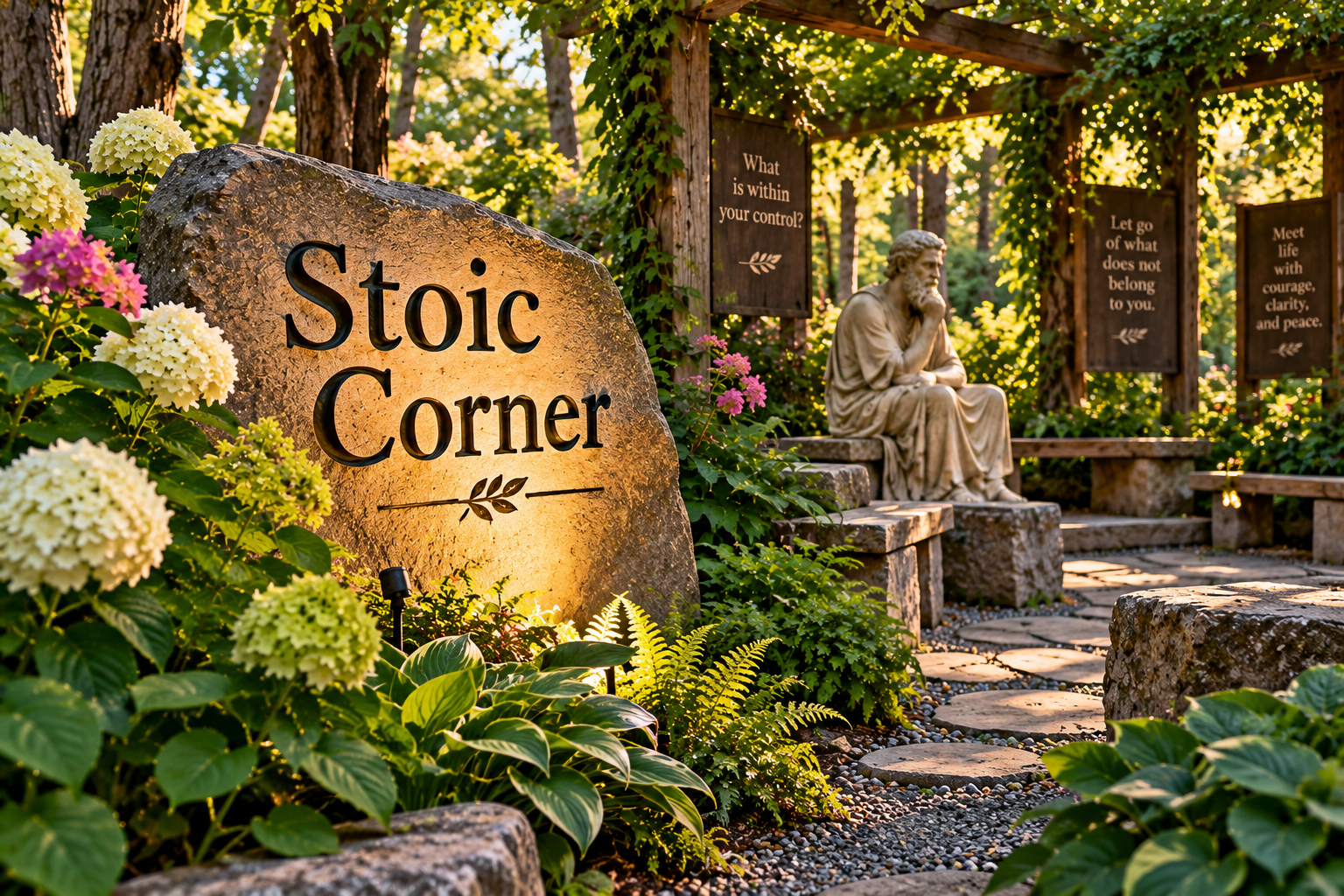
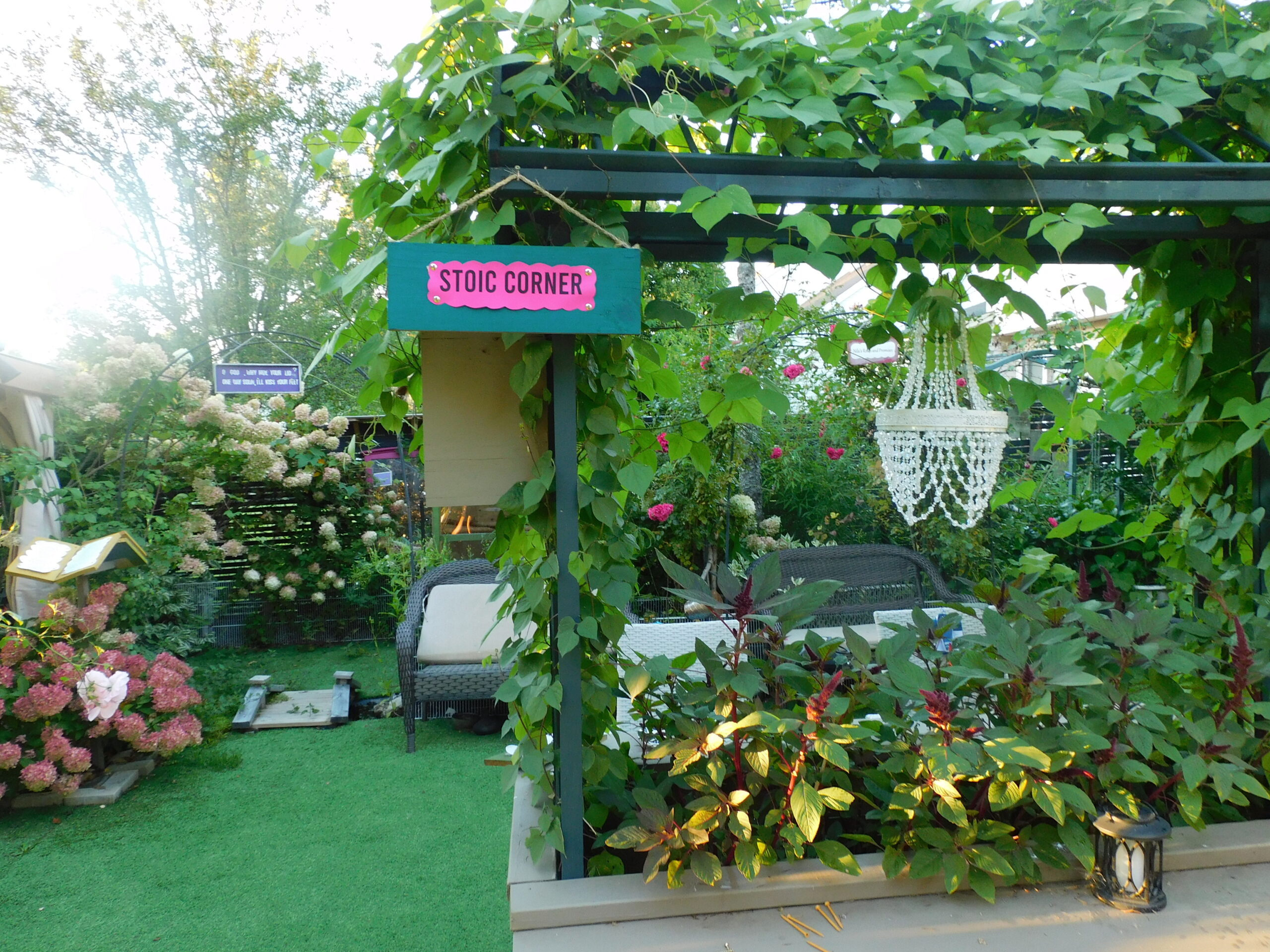
At Garden of Awakening, we gave that ancient idea a little place beneath the open sky.
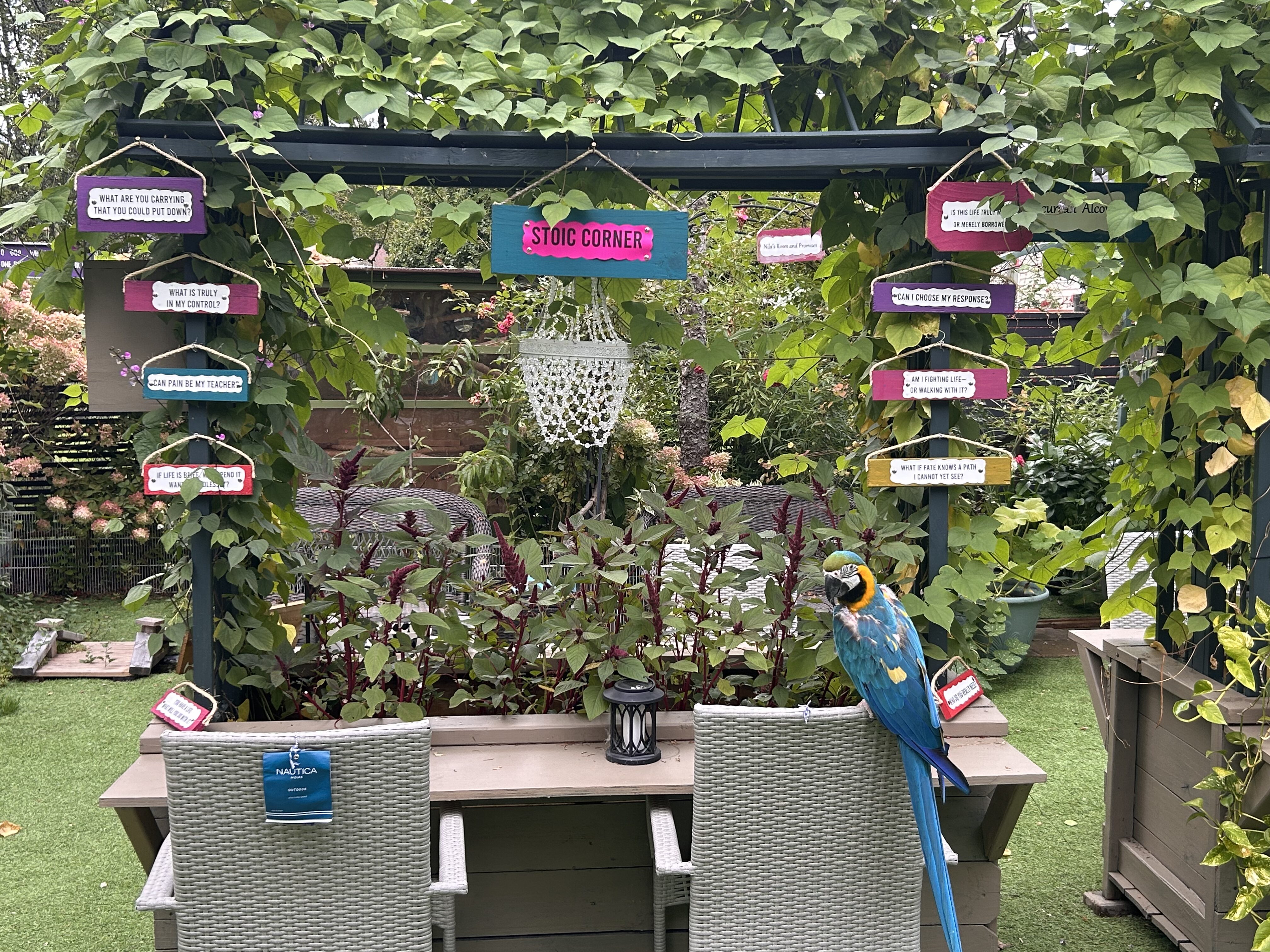
Welcome to Stoic Corner.
TWO WORLDS EXIST AROUND YOU.
One You Can Control. One You Cannot.
This may be one of the simplest ideas in philosophy.
And one of the hardest to live.
You cannot control what others think of you.
You cannot control yesterday.
You cannot command another person’s love.
You cannot negotiate with time.
You cannot guarantee success.
You cannot stop every loss, illness, disappointment, accident, betrayal, or unexpected turn of life.
But there are things that remain closer to you.
Your judgment.
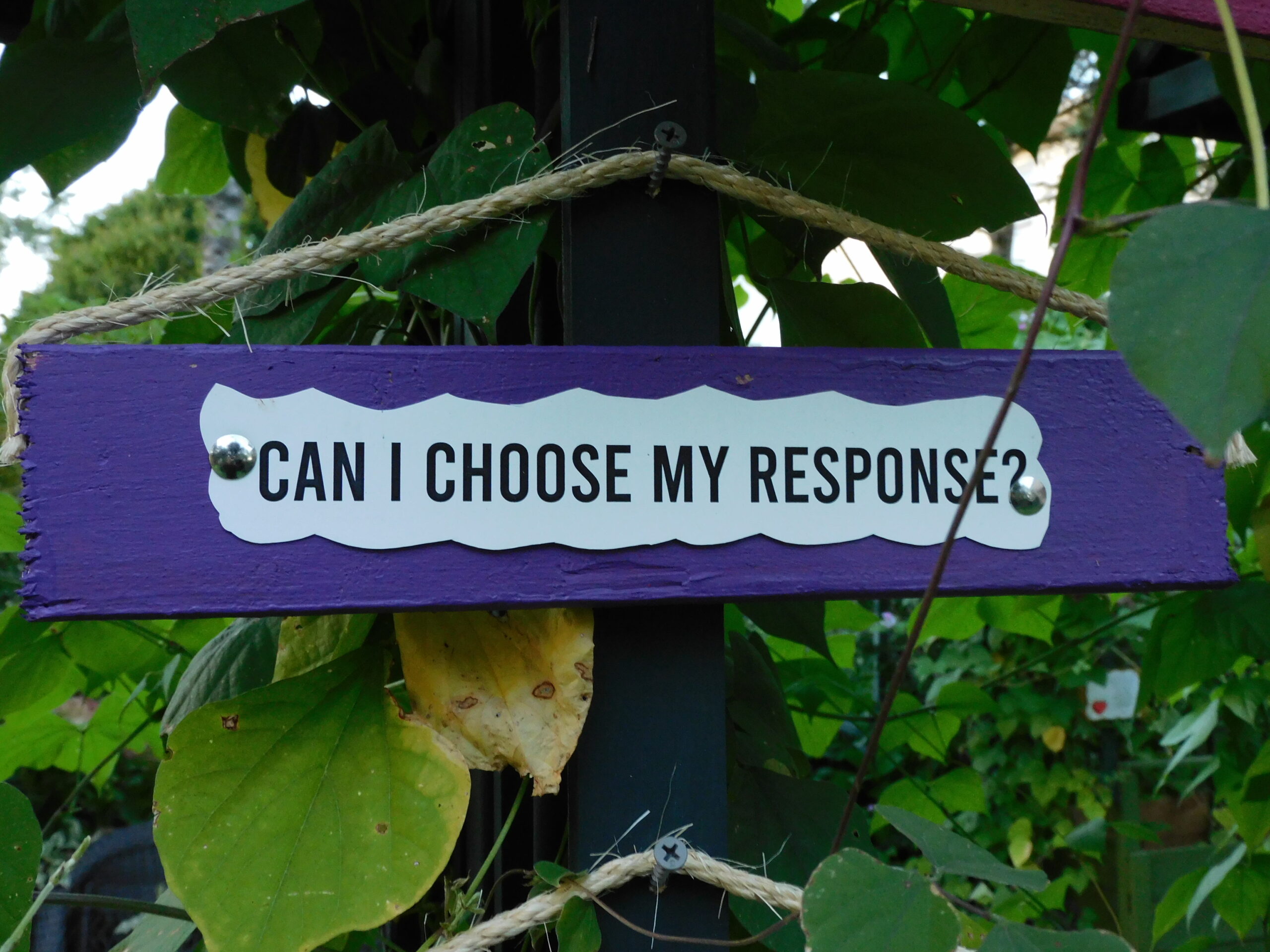
Your response.
Your character.
Your choices.
The way you meet this moment.
Stoicism begins by asking us to recognize the difference.
Because much of human suffering comes not only from what happens—
but from our exhausting attempt to control what was never ours to command.
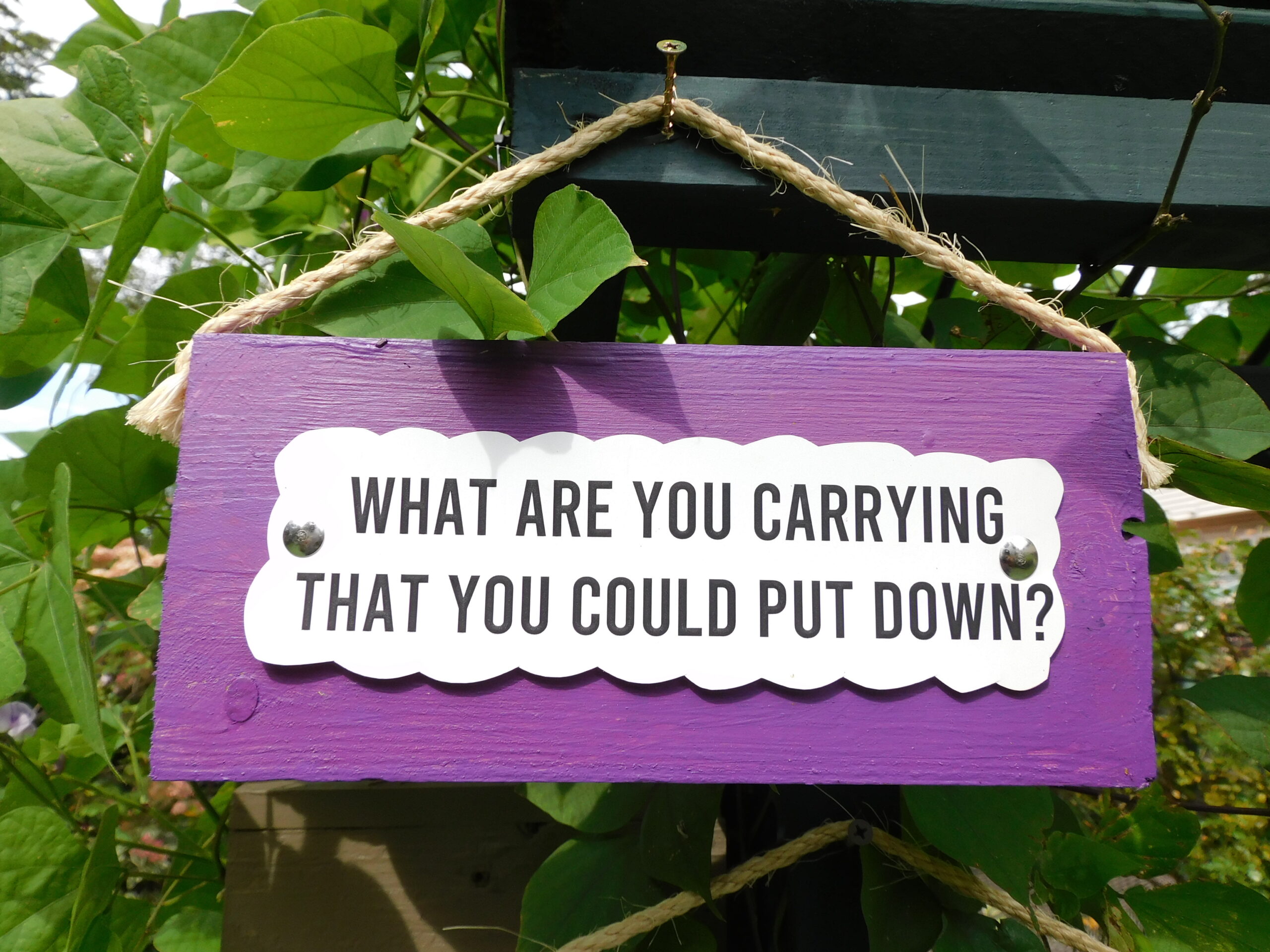
PUT IT DOWN.
Not Everything Deserves to Be Carried.
Imagine carrying a heavy stone everywhere you go.
Yesterday’s insult.
Someone else’s opinion.
A mistake you cannot undo.
A future you cannot predict.
An outcome you cannot control.
You carry it through breakfast.
Into work.
Into conversations.
Into sleep.
Eventually you forget that you are carrying it.
You simply call the weight life.
Stoic Corner offers another possibility:
Put down what does not belong in your hands.
Not because it doesn’t matter.
Not because you shouldn’t feel.
But because acceptance is not surrender.
Sometimes acceptance is simply the moment we stop fighting reality long enough to decide how we will respond to it.
STOICISM IS NOT THE ART OF FEELING NOTHING.
It Is the Art of Not Being Ruled by Everything You Feel.
Stoicism is sometimes mistaken for emotional coldness.
But the Stoics were human beings living through grief, illness, political turmoil, exile, uncertainty, love, responsibility, and death.
Their question was not:
How do I stop feeling?
It was closer to:
How do I remain myself when life becomes difficult?
Courage does not require the absence of fear.
Peace does not require a painless life.
Strength does not mean pretending nothing hurts.
The deeper challenge is learning to experience the storm without allowing the storm to become your identity.
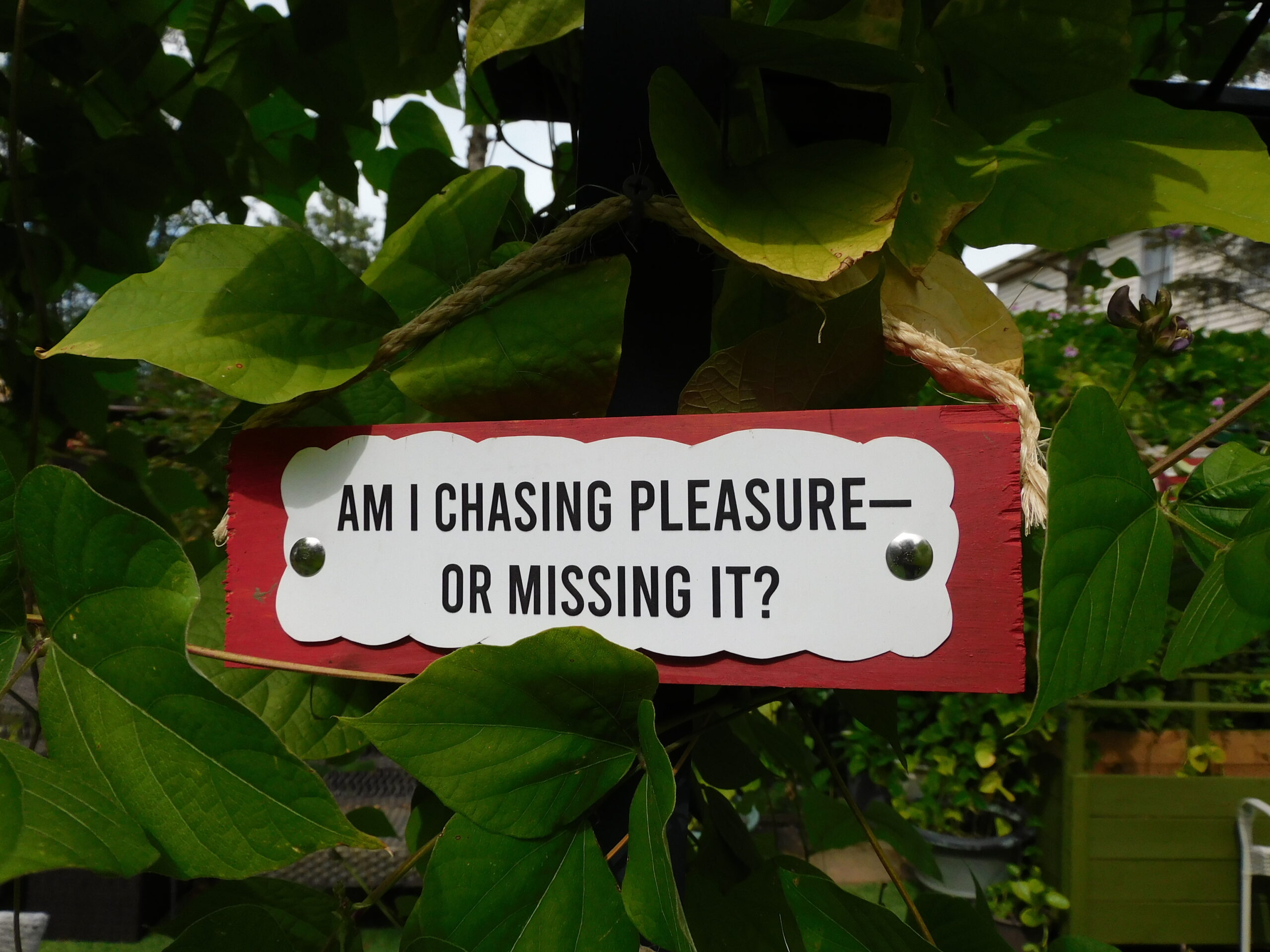
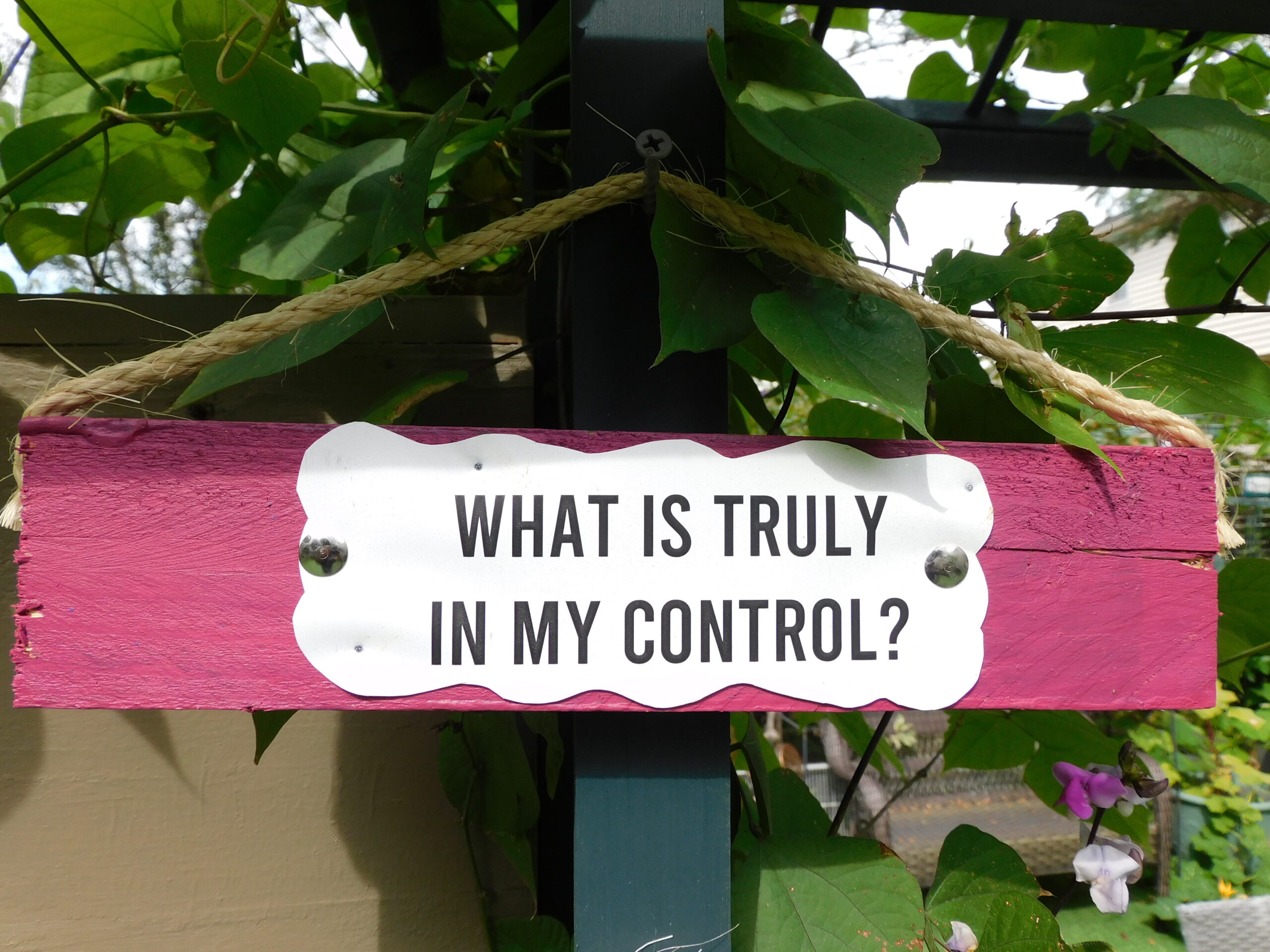
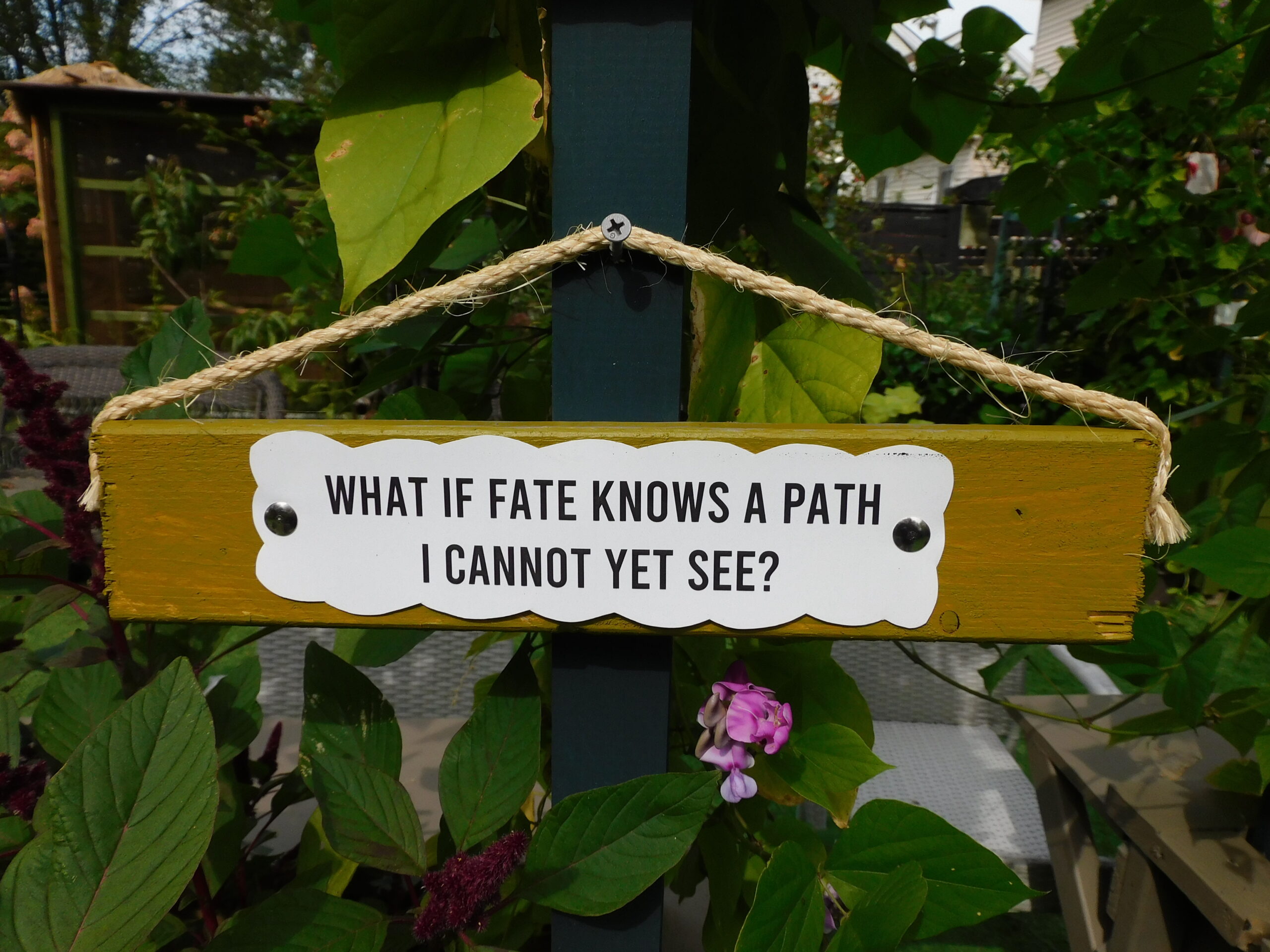
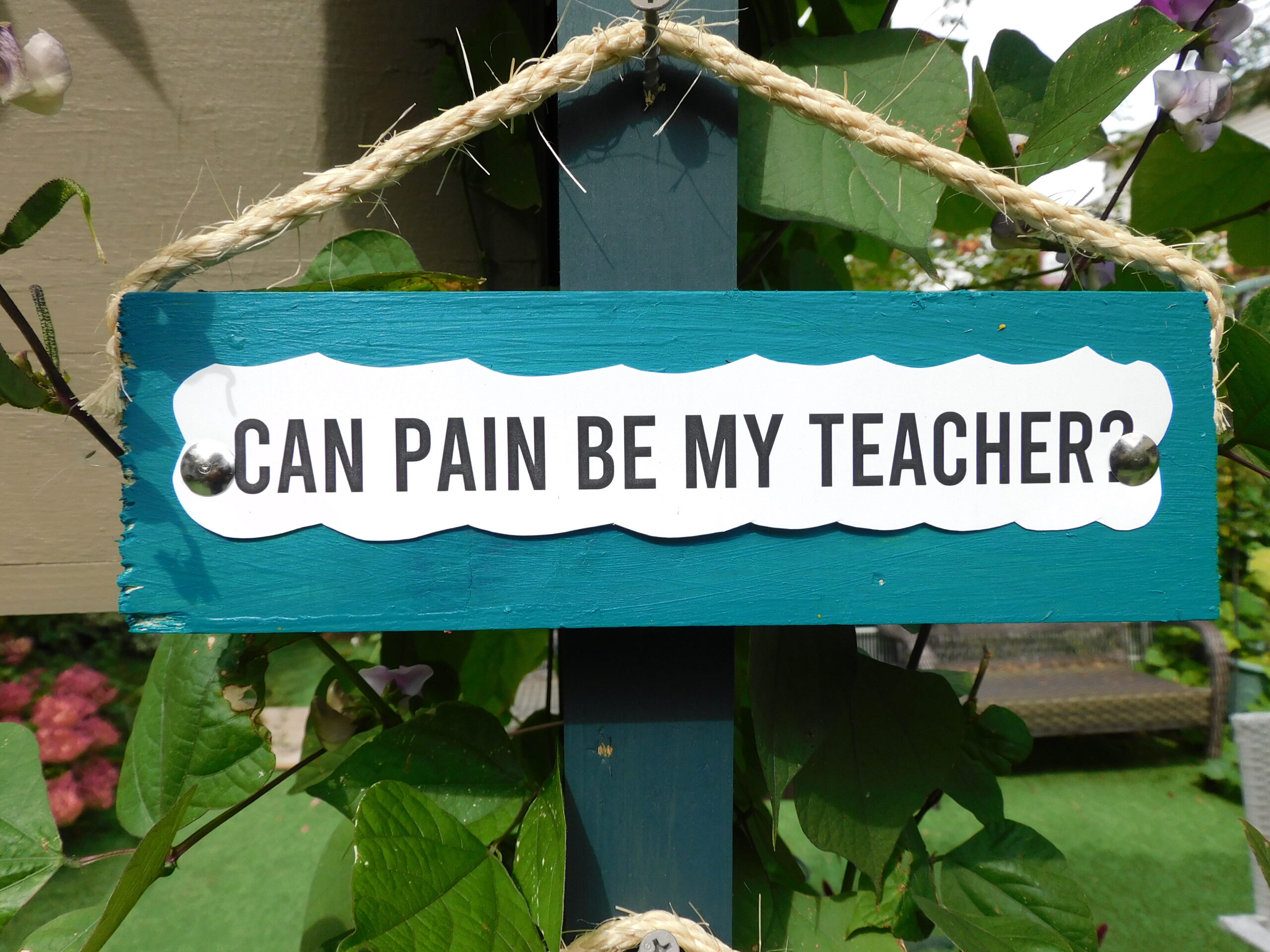
THE OBSTACLE HAS ARRIVED.
NOW WHAT WILL YOU DO WITH IT?
A closed door can remain a closed door.
Or it can redirect a life.
A failure can become humiliation.
Or instruction.
Criticism can become resentment.
Or examination.
Difficulty can make us bitter.
Or deepen us.
Stoicism does not promise that every painful thing secretly happens for a beautiful reason.
Sometimes something difficult is simply difficult.
But even then, another question remains:
What can I make of what has happened?
We do not always choose the material life hands us.
But sometimes—
we still get to choose what we build from it.
REMEMBER: YOU ARE TEMPORARY.
That Is Not Bad News.
The Stoics practiced memento mori:
Remember that you will die.
Not as an invitation to despair.
As an invitation to wake up.
The day is limited.
So is the season.
So is the conversation.
So is the number of times you will see someone you love.
Impermanence gives ordinary moments their weight.
The cup of coffee.
The evening light.
The familiar voice.
The tree you have passed a hundred times without really seeing.
Perhaps remembering death is not primarily about death.
Perhaps it is a way of asking:
Now that you remember your time is limited, how will you live?
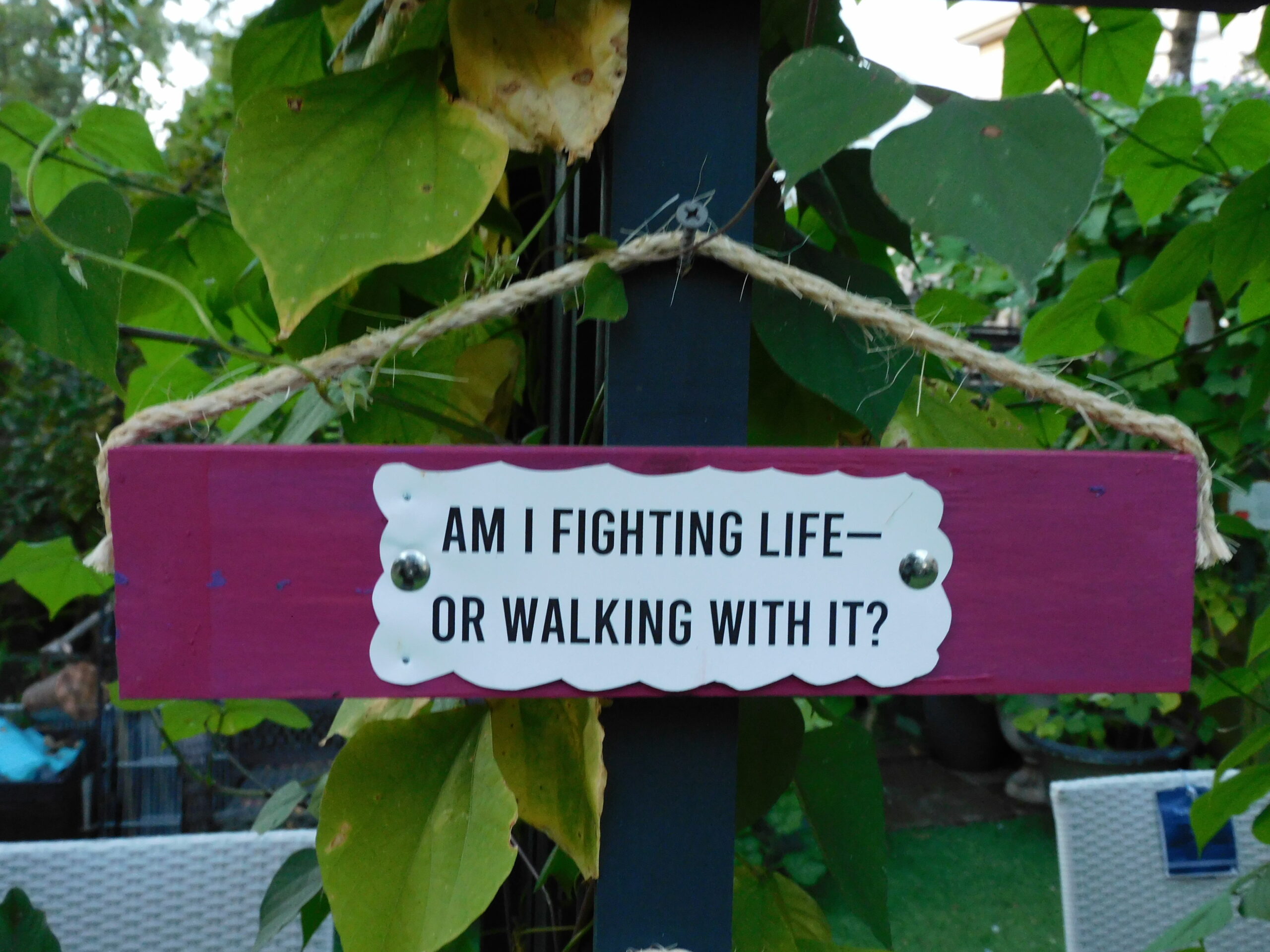
BEFORE YOU LEAVE STOIC CORNER,
LEAVE SOMETHING BEHIND.
Stand there for a moment.
Think of something you are trying desperately to control.
Someone’s opinion.
A past decision.
An uncertain future.
Another person’s behavior.
Something that has already happened.
Ask yourself:
Is this truly mine to control?
If the answer is no—
perhaps you do not have to carry it another mile.
And if the answer is yes, ask the harder question:
What will I do about it?
That small distinction may not change the world around you.
But it may change the person walking through it.
READY TO MEET LIFE DIFFERENTLY?
Come experience Stoic Corner at Garden of Awakening in Amherst, NY.
Bring what you can control.
Bring what you cannot.
Bring the burden you’ve been carrying longer than necessary.
And perhaps leave one of them beneath the trees.